
Winner·United Nations AI for Good·Innovate for Impact Award

Our Impact
Environmental Sustainability & Global Access Through Distributed AI
ReEnvision AI's Environmental Benefits
Proving that AI innovation can go hand-in-hand with sustainability
Land Conservation
Zero new land for server farm construction
Water Savings
No industrial cooling water withdrawal
Energy Efficiency
77% lower emissions via distributed compute
The Environmental Cost of Traditional AI
Traditional AI data centers consume roughly 176 terawatt-hours of electricity per year in the U.S. alone, while a single hyperscale facility can draw power equivalent to 100,000 homes and use up to 5 million gallons of water daily for cooling. These sprawling facilities occupy hundreds of acres that could serve communities or nature.
ReEnvision's Sustainable Solution
Distributed AI computing that repurposes existing hardware
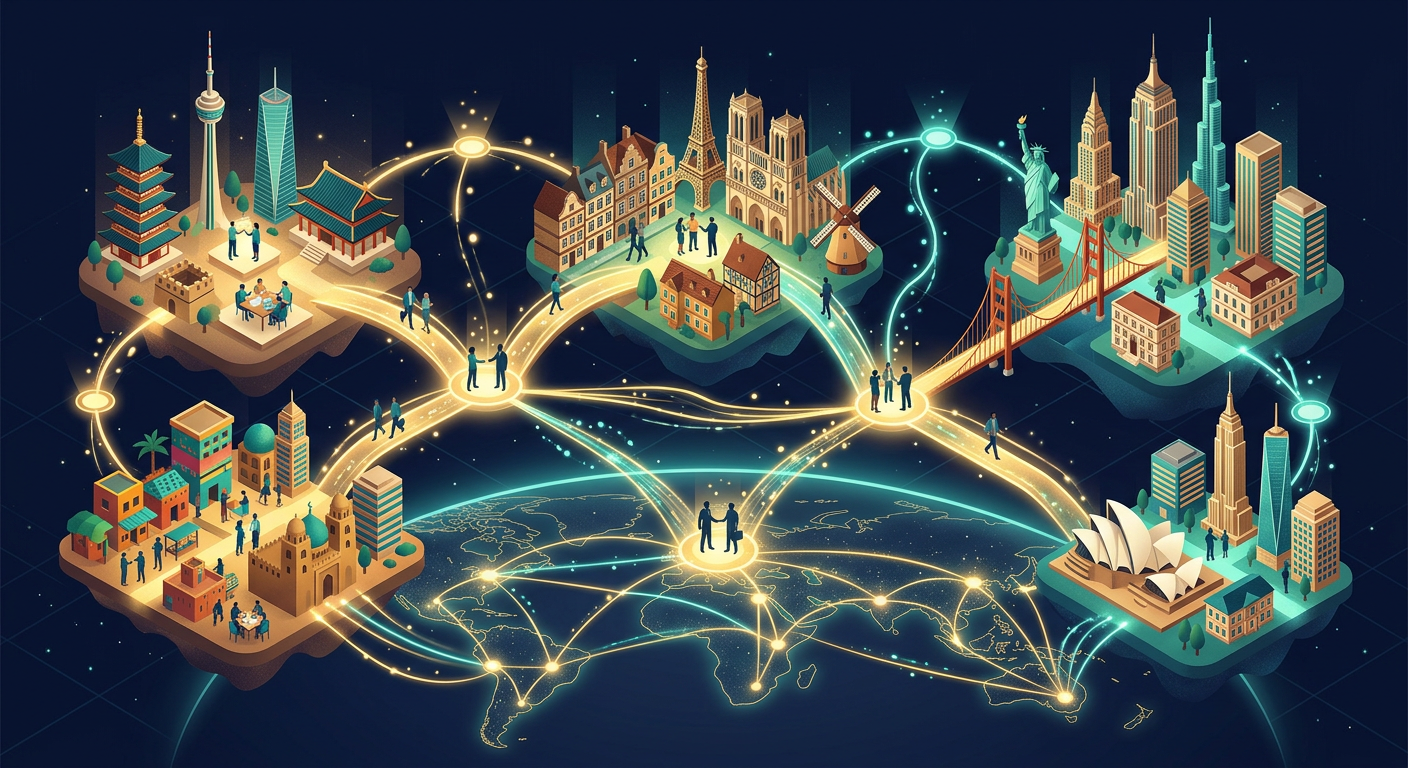
Distributed Computing Network
Instead of building more giant server farms, we tap into the world's existing computing power — idle GPUs and CPUs in everyday devices linked into a collaborative network. This means no new construction, no cooling infrastructure, and an 80% reduction in new equipment needs by utilizing machines already out in the world.
Hyperscale vs. Edge
Centralized data centers drain aquifers and heat communities. Distributed edge networks eliminate industrial water use entirely.
High -- 1 to 9 liters per kWh of compute
Zero direct industrial water withdrawal
Severe depletion of local aquifers; localized micro-climate heating
Increased summer AC load offset by beneficial winter space heating
The Energy Equation
A traditional hyperscale data center adds roughly 450 MW of net-new grid draw per 10K petaflops, while ReEnvision's distributed model requires only 65 MW — an 85% reduction — by running on the "brown" base-load power already consumed by idling machines.
AI as a Utility for Everyone
Democratizing AI access and bridging the global divide
The Current Global Divide
Only 32 countries in the world have specialized AI data centers, and the United States and China alone account for over 90% of this capacity.
Entire regions – including almost all of Africa and much of South America – have virtually no local AI infrastructure, forcing them to rely on costly foreign data centers.
ReEnvision's Path Forward
Because our platform can deploy AI workloads across existing computers anywhere in the world, even nations without big server farms can harness advanced AI capabilities on their own soil.
Communities gain the benefits of AI in everyday life – from intelligent healthcare systems to smart agriculture analytics – while maintaining data sovereignty and reducing dependency on foreign tech giants.
A Vision of Sustainable, Inclusive AI
By transforming excess computing capacity into a collaborative, green AI cloud, we're proving that technological progress and environmental stewardship can go hand in hand.